It is important to understand the nature of this drug if a person is going to fight a charge.
Specialists in drink and drug driving law. Call today for a FREE Consultation to see what can be done to fight your case. Immediate help is one phone call away.
Related:
Drug Driving Cocaine
Coke, crack, snow, blast, blow, nose candy, white dust; some of the street names for this class “A” controlled drug. However, it is important to understand the nature of this drug if a person is going to fight a charge or force the prosecution to prove its case. Remember a defendant does not have to prove a thing. It is the prosecution which has to prove its case, and that is where the difficulties can begin for them. If drug driving lawyer knows what he or she is about, then his or her client has a fighting chance of being found “not guilty” as charged!
Cocaine is normally sold in this country as a white powder. It originates from the leaves of the coca bush cultivated in some of the Andean countries of South America. It can be found in a number of different forms:
- Coca paste, which is produced directly from the leaves of the coca bush, but is rarely found outside Bolivia, Columbia and Peru;
- Cocaine powder, which is white in appearance and the most common form of the drug in the UK;
- Crack cocaine, which has the appearance of small pebbles or crystals
- Freebase cocaine which is a crystalline powder produced by a different method, creating a purer form of the drug.

How Cocaine Affects Your Body / The Zero Tolerance Principle
Many drugs, after they have entered a person’s body, are metabolised (i.e. chemically altered) into what are called “metabolites”. The main human organ responsible for this is the liver, though the rest of the body does have some effect upon this metabolisation. Benzoylecgonine is such a metabolite and is the main metabolite of cocaine, being the most important one, for establishing the use of cocaine, after the police have taken a blood specimen from a suspect driver.
The level at which a person will be prosecuted for drug-driving, with cocaine or benzoylecgonine in their system, is comparatively low. For cocaine it is 10 micrograms per one litre of blood and for benzoylecgonine it is 50 micrograms (limits far lower than was recommended by Government experts). It must be remembered that one microgram is 0.000001 of a gram: it’s really that small!
This low prosecution level for the drug, is particularly so when it is remembered that a suspect driver could be over the drug driving limit for cocaine without necessarily being unfit to drive: the concepts are different, though there will frequently be an overlap.
For all practical purposes, therefore, there is a “zero-tolerance” for the driving of any vehicle, on a public road or public place whilst having this drug, and its metabolites, in one’s system. The effects of this “zero-tolerance” approach are no better demonstrated than in the specific area of the new drug-driving legislation, produced by Parliament in 2013 (The Crime and Courts Act) and brought into force in 2015 (having been grafted on to the old Road Traffic Act 1988, as an amendment by the government), as the new section 5A.
As regards the drug itself, it may taken in a number of ways;
(a) by being “cut” into short lines and then sniffed through a straw or through a rolled up piece of paper;
(b) “bombing” where it is placed in a small roll of paper and swallowed;
(c) injected after having been mixed with some liquid;
(d) smoking, of crack cocaine through a pipe;
(e) “speedballing”, in which crack cocaine is mixed with heroin.

Taking The Test - What Happens Afterwards
When the police take a blood sample from a suspect at the police station, then the alleged level of the drug in the blood will be measured (perhaps weeks later), by a forensic scientist or, in all likelihood, by junior members of his or her staff. Therefore, the methodology and purity of the techniques they employ and the skills and experience of these sometimes junior and lower level staff, are all important factors when it comes to producing something which resembles an accurate measurement, of cocaine or benzoylecgonine in a blood sample. Challenging such techniques and forcing the prosecution to prove, as they must, that the testing procedure was sound, is one of the crucial methods of fighting such allegations in court.
It is important to bear in mind that, unlike breath specimens, provided at a police station, in a drink driving prosecution (where the results of the breath test are given almost immediately), measuring the level of cocaine and benzoylecgonine in a persons bloodstream is by no means an exact science [see video “Drug Driving”]; taking substantial time and sustained effort to achieve. Moreover, there will be no immediate result. Various tests and procedures have to be carried out on the blood sample provided. Personal factors, type and purity of the cocaine will all have an effect upon the cocaine and benzoylecgonine levels, indicated by the laboratory analysis of your blood. These include:
- Age, weight and height;
- Metabolic rate (and this will be particularly relevant if the drug has been consumed: i.e. through “bombing”);
- Whether or not alcohol or other drugs have been used in combination with the cocaine;
- The nature the cocaine, its strength/purity and the result of its production: i.e. cocaine powder, crack or freebase;
- The period of time over which it has been consumed and the doses consumed
- The manner in which it was consumed (snorted, swallowed or injected).
Next Steps: WHAT SHOULD YOU DO NOW?
If you have been charged with the new section 5A offence or are waiting for the police to notify you of the results of their analysis of your blood; or been charged with the old section 4 offence of driving whilst unfit, then you need to know URGENTLY what can be done to fight the case.
It is obvious that you need to call a lawyer quickly.
If that lawyer offers the following, you may think it wise to make that call:
1. Initial ‘phone advice given free of charge;
2. Available to speak to clients 7 days a week, 364 days a year between 9.00 AM and 7.00 PM;
3. Specialist drug and drink driving advocate, who has practiced for 36 years in both the Magistrates and Crown Court, having also represented clients in both the High Court and Court of Appeal;
4. Who will have complete sole control of your case and who will be the one taking your call, at 11.00 on a Sunday morning, if you choose to ‘phone. In other words a lawyer available at your convenience, not the other way around &
5. A list of references from satisfied clients and access to expert witnesses, at the “cutting-edge” of their respective professions.
Total client commitment
A No-nonsense and proven approach to fighting your case.
Call now for immediate advice concerning your cocaine drug driving case.
For a FREE consultation call: 07786 709 403
Free initial advice
Available 7 days a week – 9am until 7pm, 364 days a year.
Fixed fees
No hidden costs.
Low overheads mean lower costs.
Direct personal contact
Access to Cutting Edge Experts. Covering Throughout England and Wales.
What clients say about us
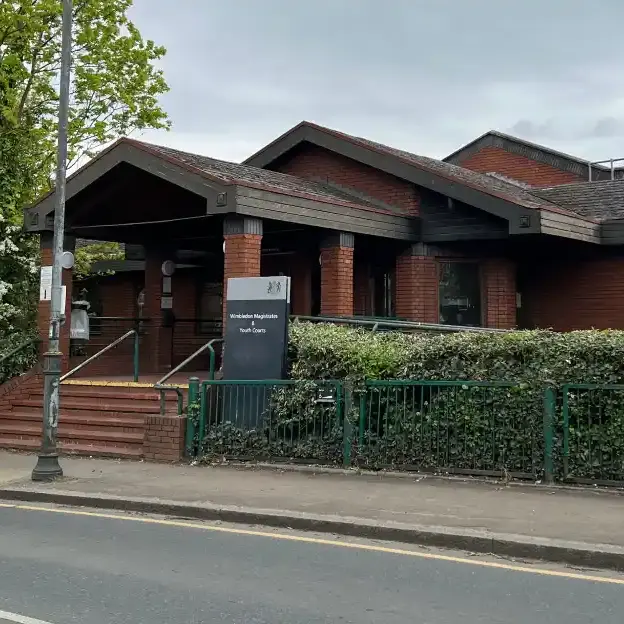
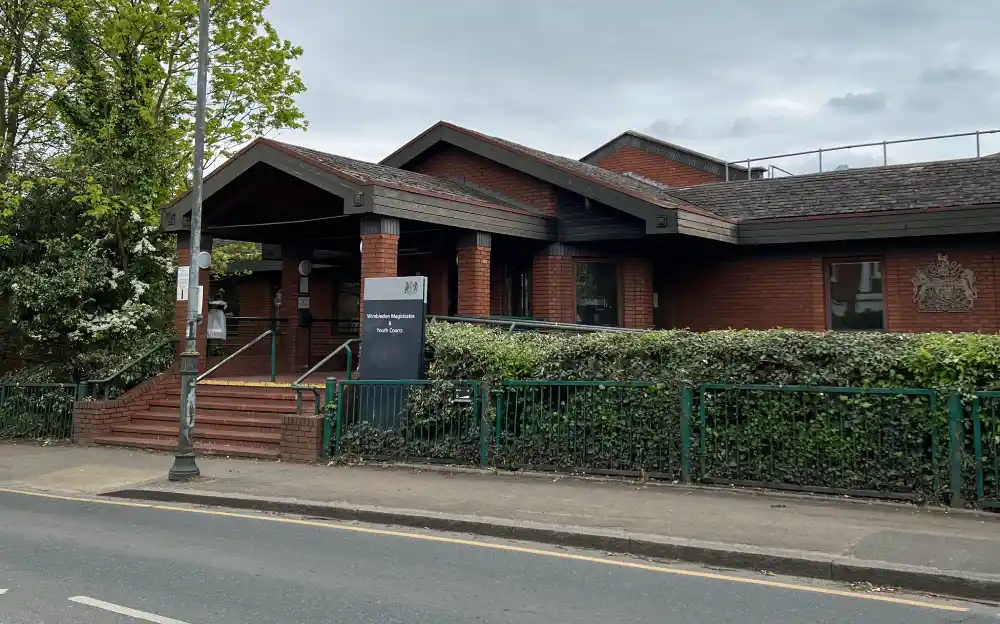
Wimbledon Court
Peter | Croydon
Thank you for your impeccable attention to detail, honesty and professionalism throughout this ordeal.
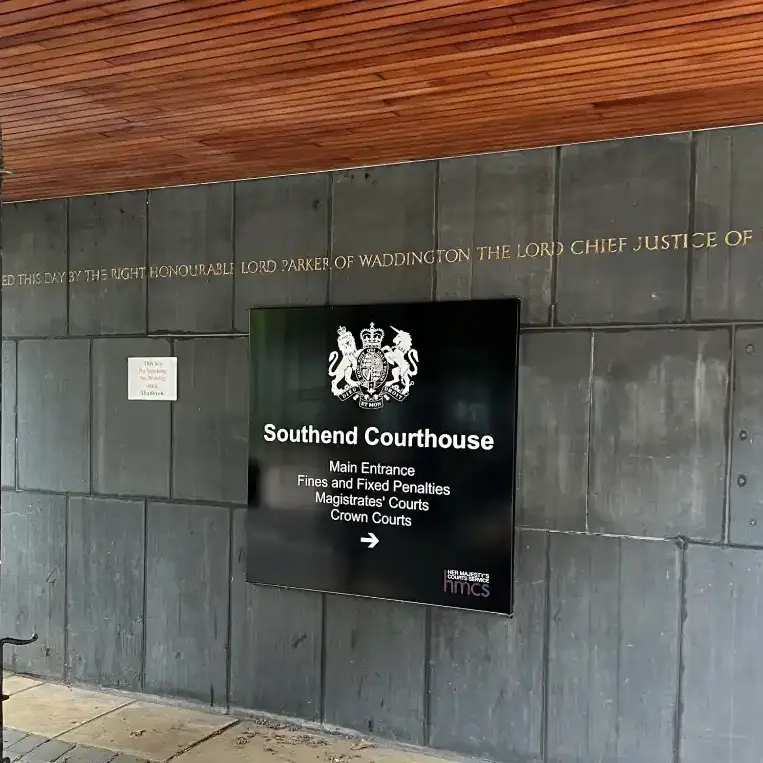
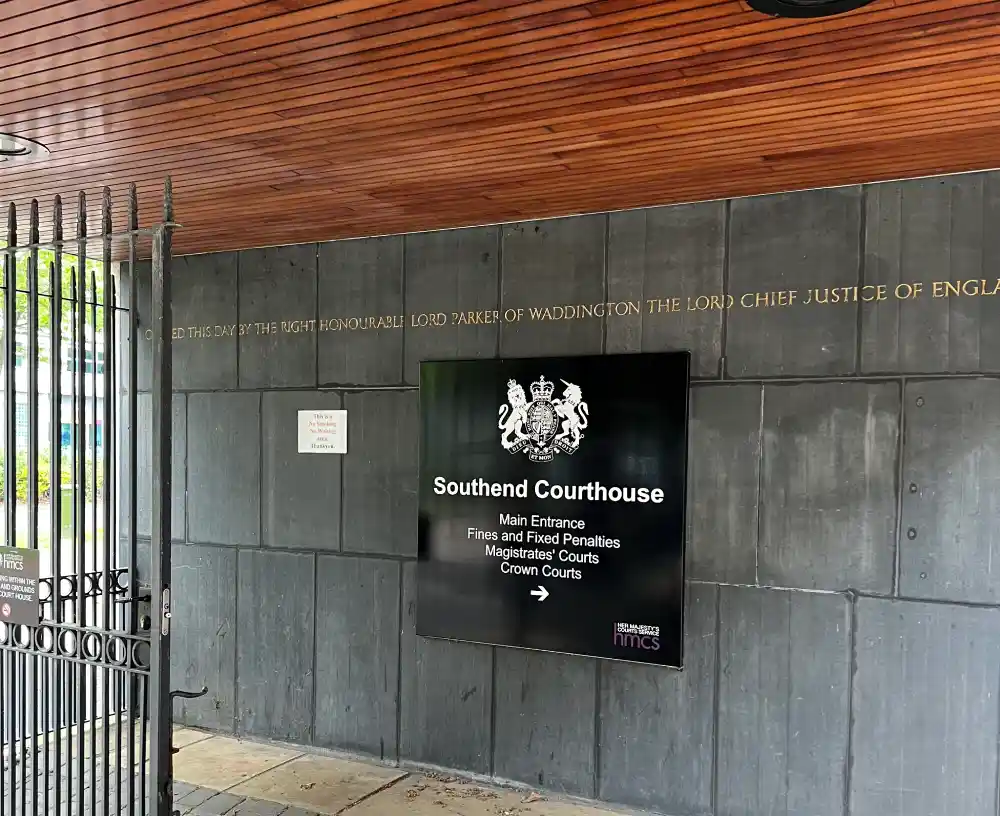
Southend on Sea Court
Dylan | Essex
I was charged with failing to provide a blood sample but the reason for this was because of my needle phobia and general stress.
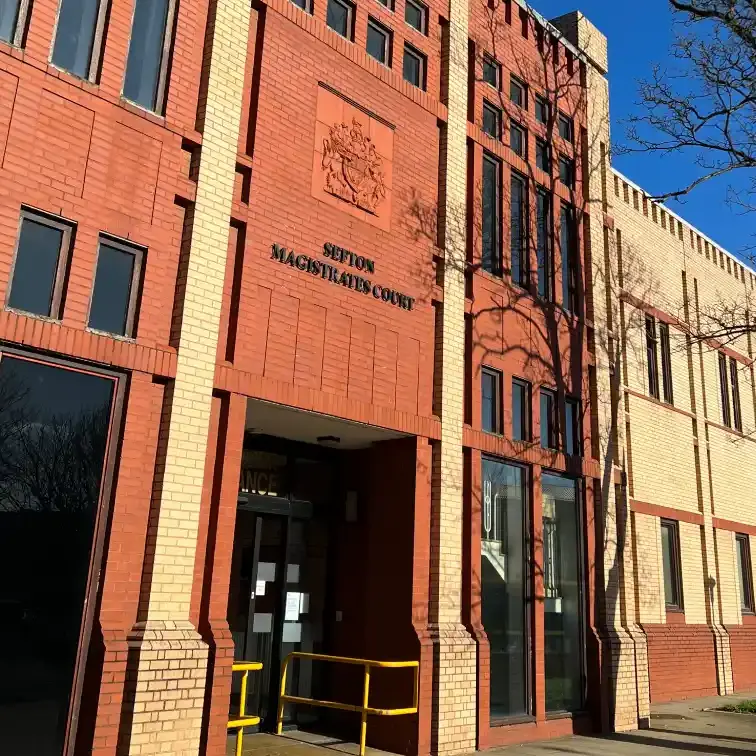
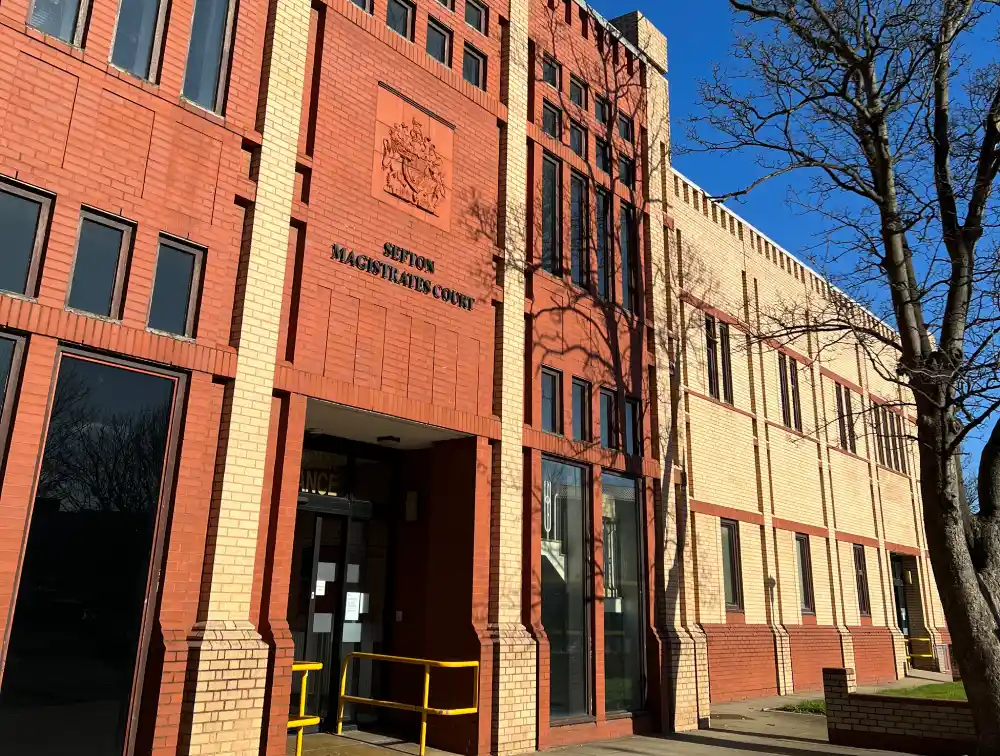
Sefton Court
Harry | Merseyside
I came across the motoring justice website on the net and looked at the videos and references. I was charged with drug driving (61 in Benzo and 43 in Ketamine) and had to go to Liverpool Court.
Reading Court
Mark | Bracknell
You were my lawyer at Reading Court today on a drink driving charge (110 in blood) and things had not looked good before I chose you to represent me.
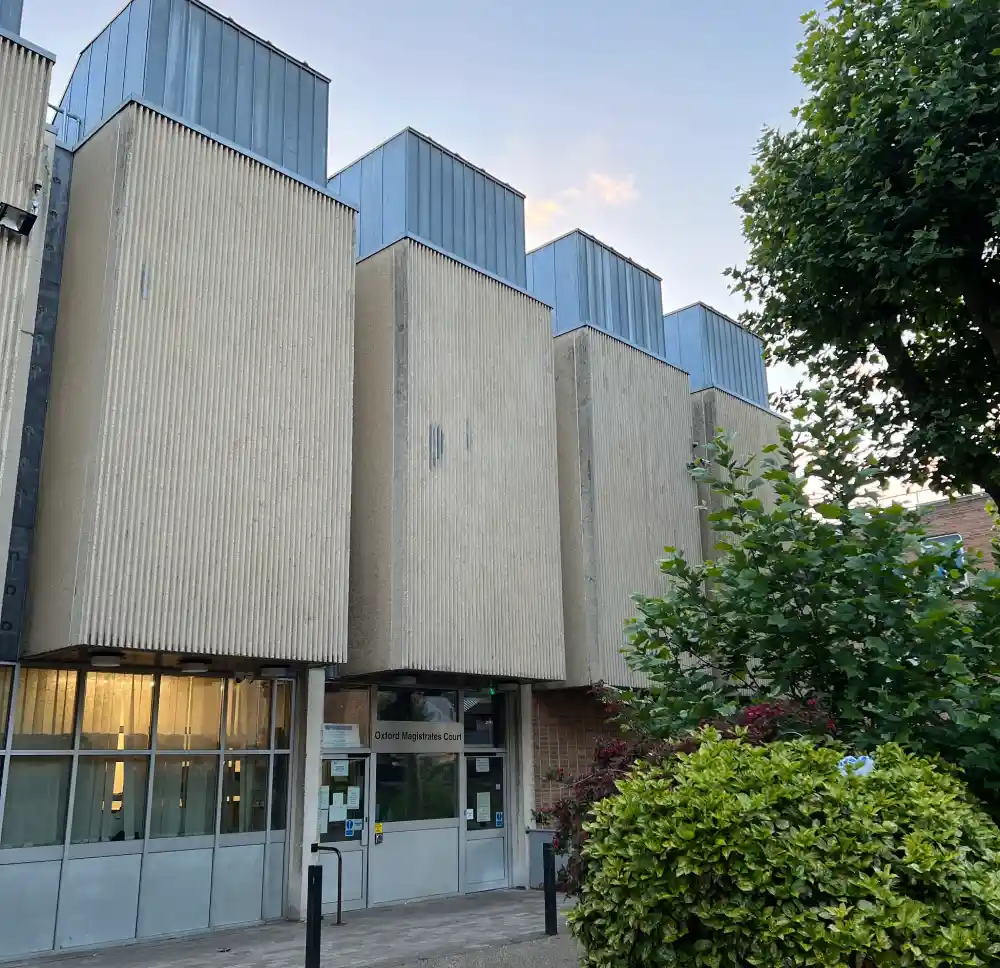
Oxford Court
Yahaya – London
I had 4 charges against me at the Oxford Court – Failing to provide breath test as a “Driver”. Driving other than with a licence. Not having road insurance & Failing to provide breath test as was “In Charge”.
Norwich Court
Ryan | Coventry
I came before Norwich Justices’ Court on a drug driving charge, 3.9 micros in a litre of my blood. You always said that the police procedures were wrong and should be fought.
Leeds Court
Tabraz | Leeds
Was charged with drink driving (50 in breath) and Googled you. Thank goodness I did! You are a top drink driving/drug driving barrister.
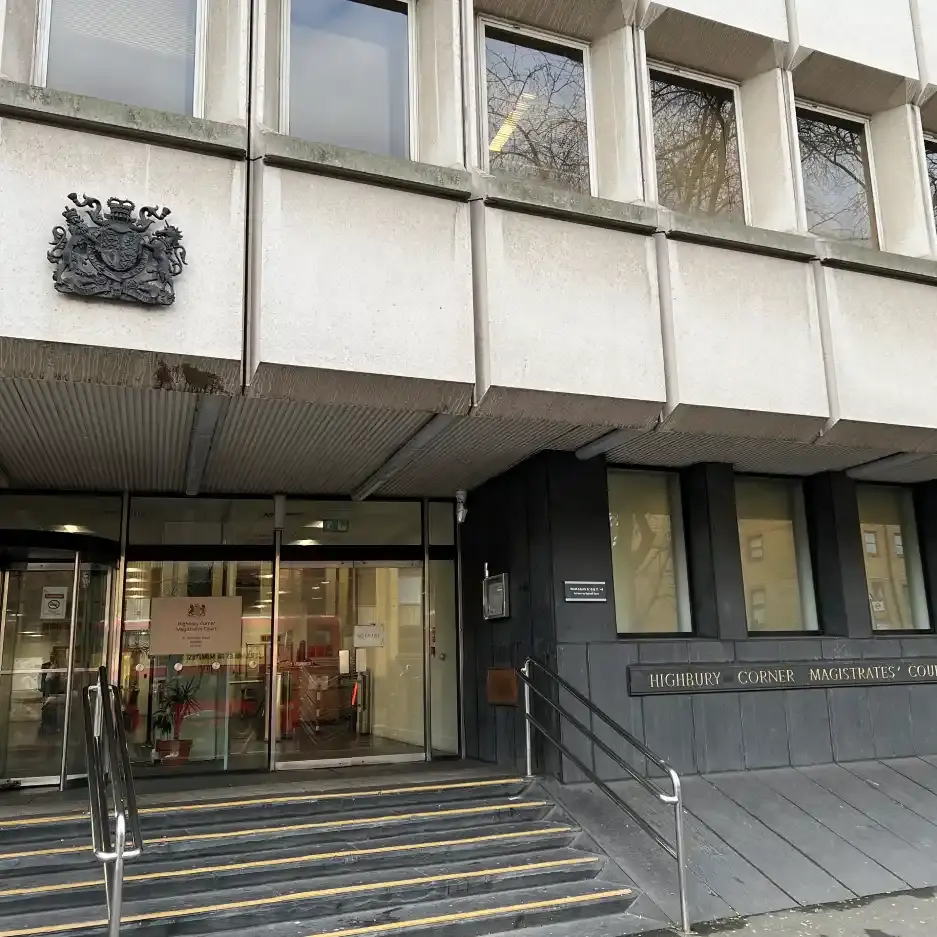
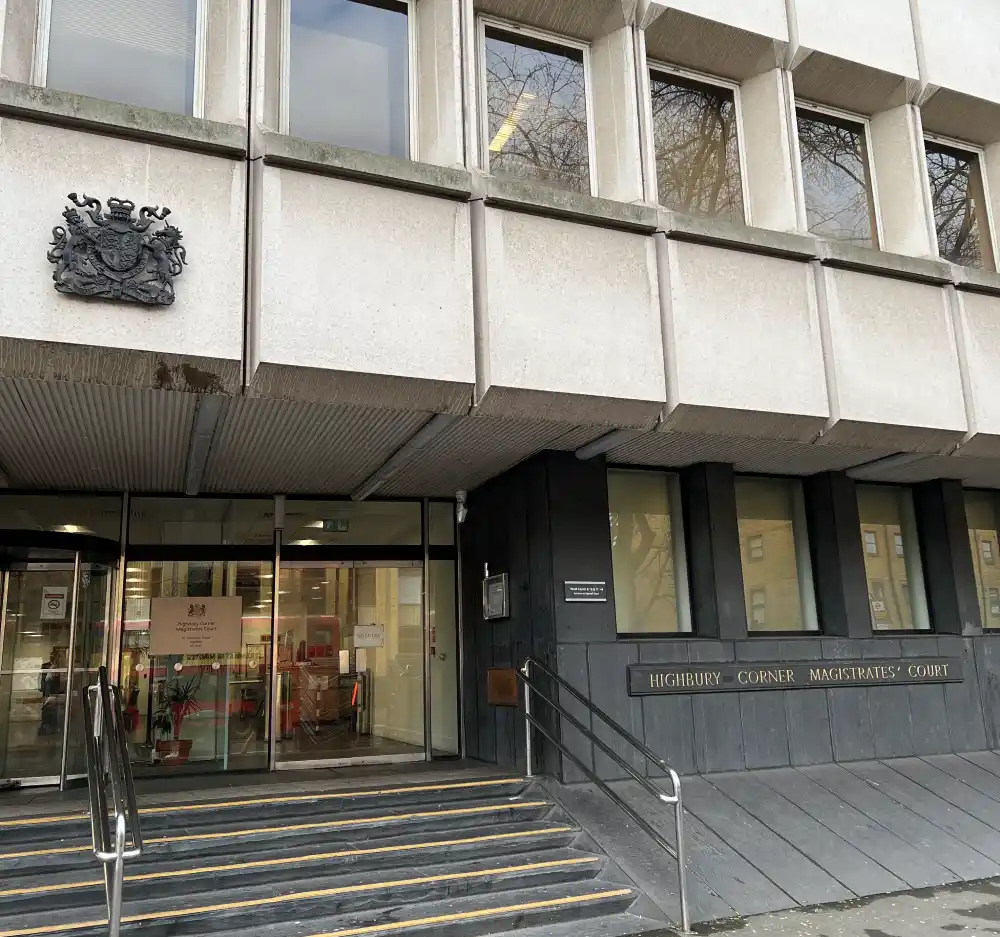
Highbury Court
Amardeep | Birmingham
I had been charged with D.U.I. [at Highbury Corner Magistrates’ Court] but the prosecution service then changed it later to driving over the drug drive legal limit.
Drug Driving Legal Defence
A Personalised Legal Defence Specialist Drug Driving Advocacy
Backed by over 40 years of experience.
If you are facing a drug driving charge or are waiting the results of a police blood test, having been arrested on suspicion of drug driving, then you must take immediate steps to seek legal advice.
There is clear legal case law supporting the proposition that, if the police did not follow procedures correctly, then that is the end of their case. One such right which you enjoy is that your consent to giving blood must be given without fear and unconditionally. In other words the police cannot force you to give blood.
Real cases, real people. We’ve saved many drivers from 12 months punishment for drug driving accusations. Check out what they say.